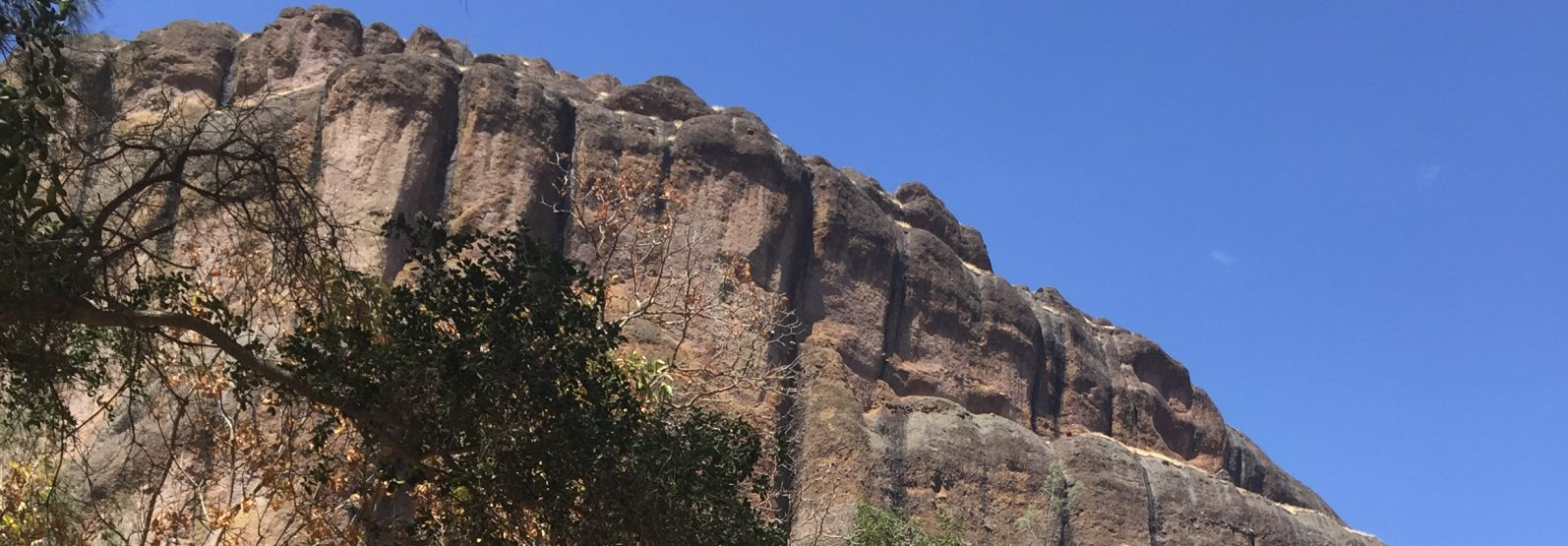
Bryce Canyon National Park in Southern Utah
By Rachel Puryear
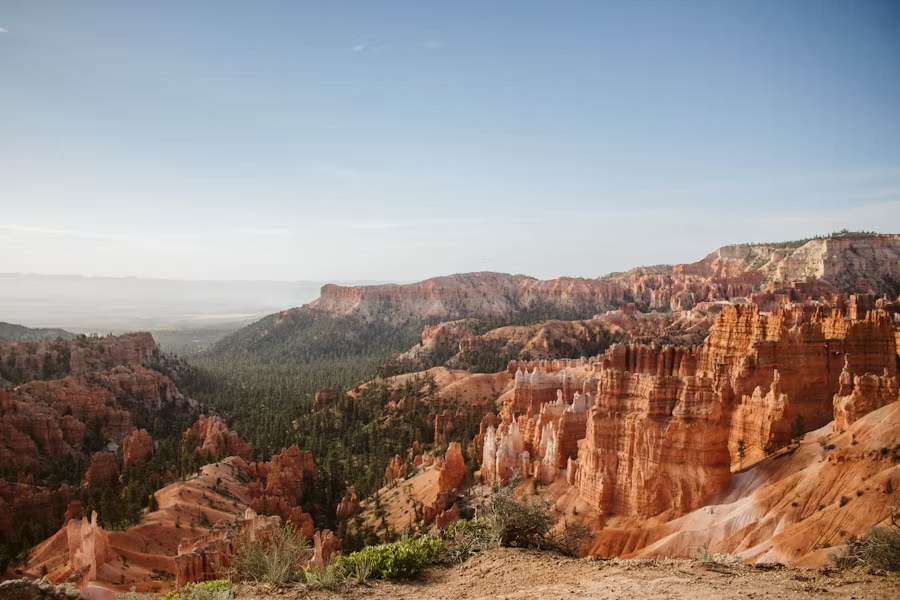
Bryce Canyon National Park is one of those places that seems to belong to another world. Along the eastern edge of Utah’s Paunsaugunt Plateau, thousands of delicate rock spires rise from a series of immense amphitheaters. These formations – called hoodoos – glow in shades of orange, cream, red, pink, and white, changing character with the weather and the angle of the sun.
Despite its name, Bryce Canyon in not a traditional river-carved canyon. It is a collection of natural amphitheaters shaped by frost, rain, snow, and erosion. Water seeps into cracks in the rock, freezes and expands, and gradually breaks the softer limestone into fins, windows, towers, and spires. The result is the largest concentration of hoodoos on Earth.
The park sits at a high elevation, with much of the developed area around 8,000 feet (2,438 meters) and the southern end rising even higher. That altitude contributes to Bryce’s cool forests, dramatic weather, and exceptionally clear night skies – but it also means visitors should prepare differently than they might for lower-elevation desert parks.
Seeing the Bryce Amphitheater
For many visitors, the Bryce Amphitheater is the unforgettable centerpiece of the park. The main viewpoints – Bryce Point, Inspiration Point, Sunset Point, and Sunrise Point – offer different perspectives over the crowded ranks of hoodoos below.
Sunrise Point and Sunset Point are connected by a paved section of the Rim Trail, making them excellent places to begin. From the rim, you can look down into the amphitheater and identify familiar formations such as Thor’s Hammer, the Three Sisters, and the Silent City.
Sunrise is especially popular, and for good reason: the first light often touches the highest formations before spreading down into the amphitheater. Sunset Point can be beautiful in the evening, but it is also a rewarding place to visit during the day when the hoodoos are lit from a different direction.
Inspiration Point provides a layered view across the amphitheater, while Bryce Point looks over a broad sweep of formations and is particularly impressive in the early morning. If you have time, visit more than one overlook. The landscape changes considerably from viewpoint to viewpoint.
Hiking for Every Energy Level
Bryce Canyon’s trails offer an unusual opportunity to experience the hoodoos from above and below. A walk along the rim provides expansive views with relatively little elevation change. Trails descending into the amphitheater reveal narrow passages, switchbacks, arches, windows, and towering walls.
For Families and Casual Visitors
The paved rim trail between Sunrise and Sunset Points is one of the easiest ways to enjoy the park’s signature scenery. Even a short walk provides dramatic views, and families can turn around whenever younger hikers – or anyone unused to the altitude – has had enough.
The Queen’s Garden Trail is another popular introduction to the hoodoos. It descends from Sunrise Point into a maze of formations and offers an immersive experience without requiring a long backcountry outing. Because the return trip climbs back to the rim, allow more time and energy for the way out than the way down.
Mossy Cave, located in a separate northern section of the park along Highway 12, is a short hike to a small grotto and seasonal waterfall. Its cooler setting can be appealing in warmer weather, although trail conditions may vary.
Families may also enjoy:
- Participating in a ranger program.
- Completing the junior ranger activity.
- Looking for mule deer, birds, squirrels, and other wildlife from a respectful distance.
- Visiting viewpoints during shorter morning or evening outings.
- Joining an astronomy program or spending a few minutes stargazing after dark.
The park’s high elevation can make even familiar distances feel longer. Encourage children to drink water regularly, take breaks, and speak up early if they feel tired, dizzy, cold, or short of breath.
For Visitors With Physical Limitations
The paved rim area provides some of the most accessible opportunities to see Bryce’s main landscape. Sunrise Point, Sunset Point, and sections of the Rim Trail offer views without requiring a descent into the amphitheater. The visitor’s center, restrooms, and shuttle system are designed to support visitors with mobility needs, although slopes, snow, ice, crowds, and seasonal conditions can affect the experience.
The shuttle is a useful option for anyone who wants to reduce walking between major destinations. During the 2026 season, the park lists shuttle service from April 3 through October 18.
Before visiting, check current conditions and contact the park about specific trail surfaces, shuttle accommodations, parking, restrooms, and construction or weather-related changes. A person who cannot comfortably hike below the rim can still have a memorable Bryce Canyon experience through the overlooks, paved paths, scenic drive, visitor center exhibits, ranger programs, and night-sky activities.
Is using a wheelchair, walker, cane, scooter, or other mobility device, plan for steep grades and uneven surfaces outside developed viewpoints. Snow and ice can significantly change accessibility in Winter. Give yourself permission to make the rim the destination; the views from above are extraordinary.
For Experienced Hikers and Explorers
Experienced hikers can descend farther into the amphitheater on trails such as the Navajo Loop, Peekaboo Loop, Queen’s Garden, and Fairyland Loop. These routes involve steep grades, switchbacks, uneven terrain, and significant elevation change.
The Navajo Loop is famous for its dramatic switchbacks, and close-up views of the hoodoos. Wall Street, the narrowest and most recognizable section of the Navajo route, may close seasonally because of rockfall or Winter conditions. When Wall Street is closed, the Two Bridges side may remain available, depending on current conditions.
A combination of the Queen’s Garden and Navajo Loop trails creates one of the park’s classic hikes. It descends into the amphitheater and then climbs back through the hoodoos, offering a satisfying range of perspectives.
For a logner and more strenuous outing, the Peekaboo Loop and Fairyland Loop provide deeper exploration. These trails should be approached with respect for the elevation, weather, water requirements, and the effort needed to climb back to the rim.
Horse and mule rides may also be available seasonally through authorized concessioners. Guided rides offer another way to enter the amphitheater, but visitors should confirm current availability, restrictions, and reservation requirements before arriving.
Scenic Driving and the Park Shuttle
Bryce Canyon’s main road extends from the visitor’s center and amphitheater area towards Rainbow Point at the southern end of the park. The full scenic drive provides access to numerous overlooks, forests, geological formations, and distant views.
If you are short on time, concentrate on the Bryce Amphitheater viewpoints. If you have several hours, continue south and stop at overlooks such as Natural Bridge, Agua Canyon, Ponderosa Point, and Rainbow Point. The southern viewpoints offer a broader sense of the plateau and surrounding landscape, even though they do not all look directly into the main amphitheater.
During shuttle season, using the park shuttle can reduce traffic and parking pressure in the busiest area. It is particularly helpful for visiting the four primary amphitheater viewpoints. If you are traveling in a large van or RV, check the park’s current oversized-vehicle information before driving the entire route or attempting to park near popular trailheads.
Dark Skies and Nighttime Experiences
Bryce Canyon is renowned for its dark skies. On a clear night, the Milky Way can appear bright enough to feel almost tangible, and the high elevation offers exceptionally transparent views of the stars.
Bring a warm layer, even in Summer. Temperatures drop quickly after sunset, and standing still for stargazing can feel much colder than hiking during the day. Use dim red lights when possible to avoid disrupting your (and others’) night vision, avoid shining flashlights towards other visitors, and give your eyes time to adjust to the darkness – about ten minutes.
Ranger-led astronomy programs, full-moon walks, and other nighttime activities may be offered seasonally. Check the park’s current calendar, or ask at the visitor’s center.
Night photography can be rewarding, but protect the experience for everyone around you. Keep screen brightness low, avoid bright vehicle lights, and do not wander near cliff edges in the dark.
Prepare for High Elevation and Rapid Weather Changes
Bryce Canyon’s elevation is one of its defining features – and one of its main safety considerations. Visitors arriving from lower elevations may notice shortness of breath, headaches, fatigue, or a faster heart rate during hikes. Take it easy during your first day, especially if you plan to descend and climb back out of the amphitheater.
The park can also be surprisingly cold. Snow may fall well into Spring and return in Autumn, while Summer storms can bring lightning, rain, hail, wind, and sudden temperature changes.
Before hiking:
- Carry plenty of water and high-energy food.
- Wear sturdy footwear with good traction.
- Use sunscreen, sunglasses, and a hat.
- Bring warm layers and rain protection, even in Summer.
- Carry a map (either paper or pre-downloaded) and do not rely entirely on cell service.
- Check trail closures, road conditions, weather, and shuttle information.
- Start early for popular trails and hot-weather hikes.
- Allow extra time for the return climb.
- Avoid standing on exposed ridges during lightning storms.
- Turn around before you are exhausted.
Water sources below the rim are limited, and water found in the backcountry should be treated before drinking. Do not assume that a cool-looking stream or spring is safe.
Pay attention to signs of altitude sickness and heat or cold stress. Headache, nausea, dizziness, unusual weakness, confusion, or difficulty breathing are reasons to stop, rest, and reconsider your plans. Even a beautiful hike is not worth pushing through dangerous conditions.
Respect the Hoodoos and the Park’s History
Bryce Canyon is more than a scenic attraction. The land is part of the ancestral homeland of the Southern Paiute, Hopi, Zuni, Ute, and Navajo peoples, who have longstanding cultural connections to this region. Visiting respectfully includes learning about those histories and understanding that the landscape has meaning beyond its recreational value.
The hoodoos may look solid and permanent, but they are fragile formations shaped by gradual erosion. Help protect them by:
- Staying on designated trails where required.
- Never climbing, touching, or standing on hoodoos.
- Keeping away from cliff edges.
- Leaving rocks, fossils, plants, antlers, and other natural objects in place.
- Giving wildlife plenty of distance.
- Keeping pets leashed and following park regulations.
- Packing out food scraps and all other waste.
- Using restrooms rather than the landscape.
- Avoiding shortcuts that widen trails or damage vegetation.
- Keeping voices and music low near wildlife, overlooks, and night-sky events.
The park’s dark skies are also a natural resource. Turn off unnecessary lights, avoid idling vehicles, and choose low-impact nighttime lighting.
Visiting Sustainably
Bryce Canyon receives heavy visitation, especially around sunrise, sunset, and the main amphitheater viewpoints. A sustainable visit begins with timing and transportation. Arriving early, visiting during off-peak seasons, using the shuttle when available, and exploring the less-crowded viewpoints can make the experience better while reducing congestion.
Van travelers can reduce their impact by staying in designated campgrounds or permitted lodging areas rather than creating informal campsites. Carry reusable water bottles, minimize single-use packaging, conserve water, and dispose of wastewater properly. Never dump gray water or trash on public land.
Consider spending money with local businesses, guides, and outfitters that support the surrounding communities and operate responsibly. Slow travel – staying longer, visiting fewer places in a day, and learning about the landscape – often creates a deeper experience than rushing through a checklist.
Final Thoughts
Bryce Canyon National Park is a place of scale and intimacy at the same time. From the rim, the amphitheater seems immense, almost like a stone city stretching beyond the horizon. On the trail below, individual hoodoos become towers, doorways, guardians, and companions.
You can visit Bryce through a short accessible walk, a family outing, a scenic drive, a strenuous loop trail, a guided horseback ride, or a night spent watching the Milky Way. However you experience it, plan for the elevation, respect the weather, and give yourself time to notice the details.
The hoodoos have endured for thousands of years, but they are still changing. A careful visit helps ensure that their colors, shadows, silence, and astonishing forms remain here for the people – and places – yet to come.
See here for more about visiting Bryce Canyon National Park.
Thank you, dear readers, for reading, following, and sharing. Here’s to awesome hoodoos. If you enjoyed this post, please “like” and subscribe, if you have not already.
Check out my other blog, too – World Class Hugs, at https://worldclasshugs.com.
Note: We are a participant in the Amazon Services LLC Associates Program. As an Amazon associate, we earn from qualifying purchases. We appreciate your support!
Remote Income Road Trips Uncategorized Van RV life Wealth adventure hiking national-parks nature road-trip travel