Staying Cool on the Road During Summer
By Rachel Puryear
Summer on the road can be gloriously freeing – long days, warm campsites, and crisp sunsets – but extreme heat inside a van or camper can make travel uncomfortable, unsafe, and hard on both your body and your gear.
These strategies prioritize comfort, safety, energy efficiency, and low environmental impact so you can enjoy Summer – without turning your home-on-wheels into an oven.
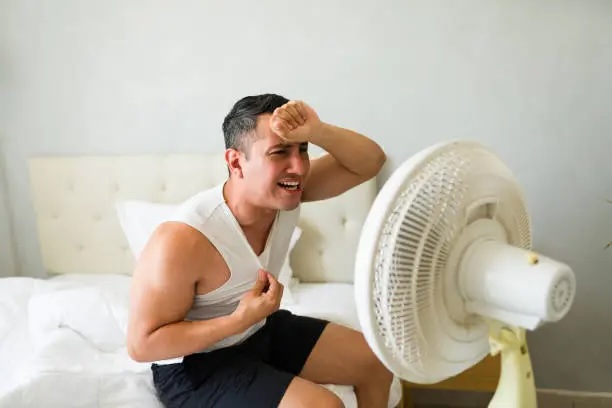
Prioritize Ventilation and Airflow
- Cross-ventilation is the simplest, and most energy-efficient form of cooling. Crack windows or roof vents on opposite sides to create a cooling cross-breeze.
- Use solar-powered or low-draw 12V fans placed to create a straight airflow path from (intake to exhaust. A small fan at a low intake and a roof vent fan pulling air out works very well.)
- Open vents at night and close them at sunrise to let cooler air night in while keeping daytime heat out.
Manage Heat Gain (Keep Hot Air Out)
- Pack smart: choose shaded spots (trees, overhangs, or shade structures). Orient the van so the sun hits the smallest surface area.
- Use reflective window covers or insulated curtains to block out sunlight. (Reflectix or thermal curtains reduce radiant heat significantly.)
- Consider pop-up or removable awnings and portable shade sails to shade the van exterior and outdoor living area.
- Paint or wrap the roof white or use reflective roof coatings to reduce heat absorption if you’re stationary in hot regions frequently.
Insulation and Thermal Regulation
- Good insulation helps in both Summer and Winter. Even thin insulating panels behind interior walls and reflective radiant barriers (on roof and walls) make a noticeable difference.
- Add blackout curtains and insulated window covers for all windows, not just the windshield.
- Use breathable fabrics for bedding and seating – cotton or linen stay cooler than synthetic blends.
Smart Cooling Appliances and Power Management
- If you have a rooftop air conditioner, use it sparingly and only when you have reliable shore power or a robust battery/solar setup. AC consumes a lot of energy.
- Portable 12V or DC evaporative coolers (swamp coolers) can be effective in dry climates and draw far less power than AC. They’re less useful in high-humidity areas.
- Prioritize efficient fans and shade before turning to high-power solutions. When using powered cooling, time usage for evenings or nights when temperatures are highest and you’re stationary.
- Maintain batteries and solar panels (clean panels, ventilated battery boxes) so your cooling options stay reliable.
Passive Cooling Techniques
- Creative evaporative cooling by misting a towel or using a small spray bottle on your skin; a damp bandana around the neck helps a lot.
- Use natural ventilation plus a shaded outdoor living area to spend hotter parts of the day outside (if shade is available).
- Sleep low: heat rises. If possible, set up sleeping arrangements slightly lower in the van or use ground-level sleeping (awning plus screened area) when safe.
Water and Clothing Strategies
- Stay hydrated: carry a refillable water bottle and sip regularly; consider electrolyte mixes for long, active days.
- Wear light-colored, loose, breathable clothing and wide-brim hats when outside.
- Switch to lighter bedding (thin sheets, summer quilts) and consider a cooling pillow or pillowcase made from breathable fabric.
Cooking and Heat-Producing Activities
- Cook outdoors when possible – use a camp stove, portable grill, or cold meals to avoid heating the van interior.
- If cooking inside, cook during cooler parts of the day and use lids on pans to reduce heat and steam.
- Minimize appliance use that generates heat (oven, dryer, heavy electronics) during peak heat hours.
Safety Considerations
- Never leave people or pets unattended in a closed vehicle during hot weather (for people; especially children, elderly, people with disabilities or medical conditions).
- Monitor heat-related illness signs (dizziness, nausea, rapid heartbeat) and move to shade, hydrate, and cool down immediately.
- Keep a thermometer inside the van to know and monitor interior temps; also monitor battery temps if using heavy power for cooling.
- Ensure fire safety when using grills or stoves near the van; keep a fire extinguisher accessible.
Low-Impact, Community-Minded Camping
- Choose campsites that preserve shade and avoid damaging vegetation to make shade (i.e., don’t cut branches).
- Respect local rules about generators and quiet hours; if you need a generator for AC, use it considerately or find a campsite with hookups.
- Consider traveling earlier or later in the season to avoid peak heat stretches if that fits into your schedule.
Prep and Planning Checklist (Quick)
- Clean and position solar panels; top up batteries.
- Install or pack reflective window covers and insulated curtains.
- Bring at least one 12V roof/box fan, plus small personal fans.
- Pack breathable bedding, hats, and a large, refillable water jug.
- Carry a portable shade awning or popup shelter.
- Plan routes and stops with shade, water access, and hookups in mind.
Conclusion
A few thoughtful upgrades and behavioral adjustments let you stay comfortable in Summer without draining resources or harming the environment. Focus on ventilation, shading, smart power use, and safety – and you’ll keep the freedom of van life even when temperatures climb.
Thank you, dear readers, for reading, following, and sharing. Here’s to staying cool, safe, and comfortable during your Summer road trips. If you enjoyed this post, please “like” and subscribe, if you have not already.
Check out my other blog, too – World Class Hugs, at https://worldclasshugs.com.
Note: We are a participant in the Amazon Services LLC Associates Program. As an Amazon associate, we earn from qualifying purchases. We appreciate your support!
Remote Income Road Trips Uncategorized Van RV life Wealth hiking national-parks nature road-trip travel