The Intuitive Traveler: A Guide to Staying Safe in Unfamiliar Places
By Rachel Puryear
There is a specific kind of tension that hits when you roll into a town you’ve never visited, the sun is setting below the horizon and darkness is settling in, and you aren’t quite sure where it’s safe to pull over for a little break from the road, or for the night.
For those of us living the van life, that unfamiliarity is also part of the adventure, but it also introduces a layer of risk. The key to navigating this isn’t to live in fear, or be overly suspicious of everyone else – but instead to develop a system of situational awareness. By shifting your mindset from anxiety to observation, you can explore the unknown with confidence.
Be Prepared, and Plan Ahead in Advance
Safety starts long before you put your vehicle into park. This is the “digital scout” phase. Before you enter a new city, town, or region; first use the tools at your disposal.
Crowdsourced apps are invaluable, but also look beyond the star ratings – read the recent comments. Are people mentioning “sketchy” vibes, or seeing a lot of police lights flashing?
I also recommend using Google Street View to virtually “walk the block” in advance where you plan to stop. Look for things that aren’t always obvious on a map: Is the street well-lit? Is there a clear path for you to exit if needed, or are you driving into a place where you could be trapped in? A few minutes of digital reconnaissance can save you an hour of stressful circling.
When You First Get There
Once you arrive, it’s time for the “vibe” check. When you pull over, don’t just jump out, or start setting up camp inside. Take a moment to scan your 360-degree environment.
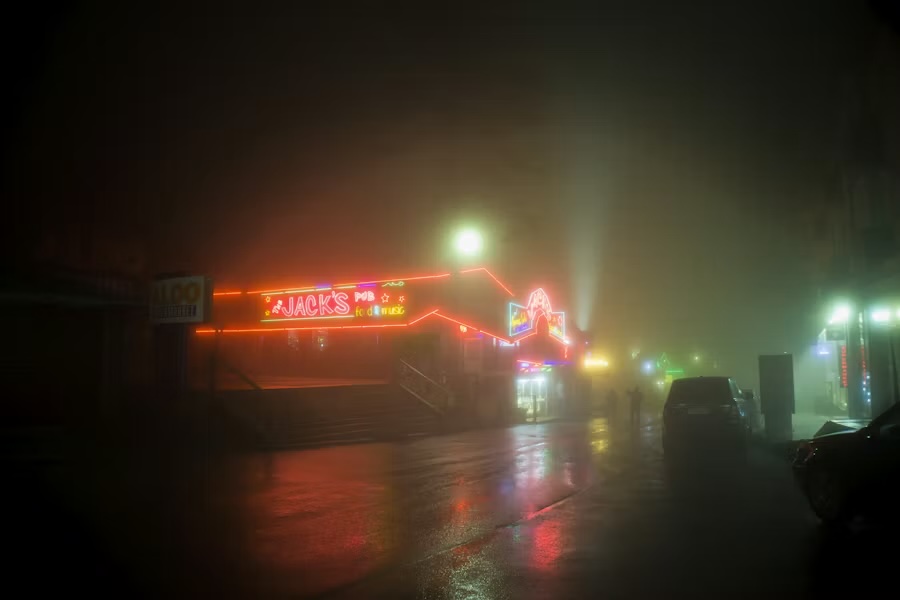
Look for red flags: an abundance of broken glass, trash in the streets, or graffiti can suggest a lack of municipal oversight in the area; while a completely deserted industrial park might leave you too isolated if you need help.
If you’re in a residential neighborhood; things like seeing lots of bars on windows, residents who look apprehensive when an unfamiliar car pulls up, or the presence of several boarded up homes can suggest a distressed area.
Conversely, look for “eyes on the street” – a few neighbors out walking dogs, or an open business, often provides natural layers of security.
Your Intuition is Looking Out For You
Most importantly, trust your gut. If a spot looks perfect on paper but feels “off” the moment you arrive, just leave. Your intuition is a powerful tool honed by thousands of years of survival; don’t argue with it.
Don’t Invite Temptation
While we love our gear, visibility can also be a liability.
The goal in unfamiliar or high-crime areas is to be invisible. This is where “stealth” becomes a safety strategy.
If you have an expensive mountain bike or e-bike, or a high-end kayak mounted to the roof, consider how that looks to a passerby. In some areas, those aren’t just hobbies – they are high-value targets.
When possible, keep your gear tucked away and avoid modifications that make your van look like a luxury penthouse on wheels. Blending in with the local environment reduces the likelihood of unwanted attention.
Think About How You’d Get Out Quickly If Needed
Your vehicle should be your fortress, but only if you have an exit strategy.
Make it a point to park in a way that allows for a quick, forward-facing exit if needed. You don’t want to put yourself in a position where you need to leave a spot immediately, only to find yourself trapped in a tight spot that requires a complex three-point turn, or backing up.
Pair this with a “ready-kit” – your phone, keys, and a high-lumen flashlight kept in the exact same easy-to-grab spot every night – so you aren’t fumbling in the dark if you need to move quickly.
Keep Things in Perspective, as Well
Finally, remember that most people are kind – or at least harmless, and most places are safe.
However, if you do encounter someone who makes you uncomfortable, be polite but firm. You don’t owe a stranger your life story, or a tour of your home on wheels. If a conversation feels too invasive, it’s perfectly acceptable to end it and to move your vehicle.
Ultimately, practicing situational awareness isn’t about restricting your world – it’s about expanding it. When you know how to scout a location and trust your instincts, you stop worrying about the “what-ifs”, and start focusing instead on the beauty of the road and of the adventures ahead.
Thank you, dear readers, for reading, following, and sharing. Here’s to staying safe out on the road. If you enjoyed this post, please “like” and subscribe, if you have not already.
Check out my other blog, too – World Class Hugs, at https://worldclasshugs.com.
Note: We are a participant in the Amazon Services LLC Associates Program. As an Amazon associate, we earn from qualifying purchases. We appreciate your support!
Remote Income Road Trips Uncategorized Van RV life Wealth adventure hiking national-parks nature road-safety road-trip travel travel-tips van-life vanlife